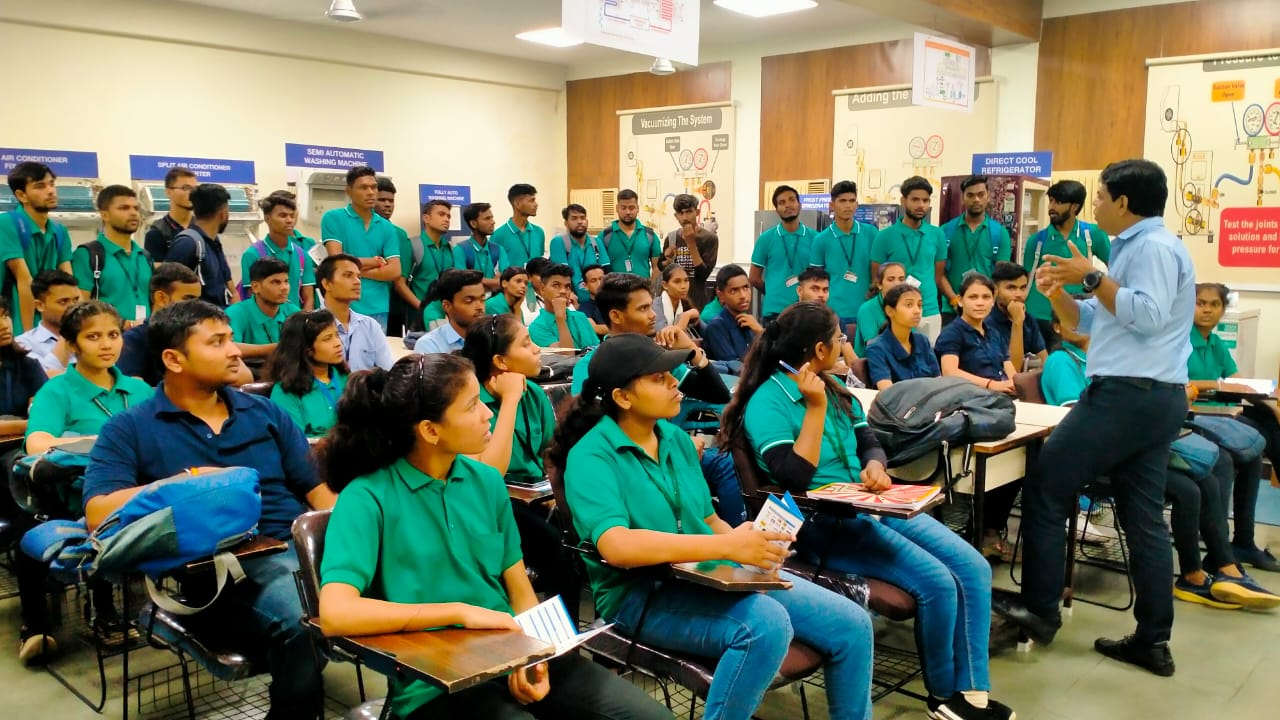
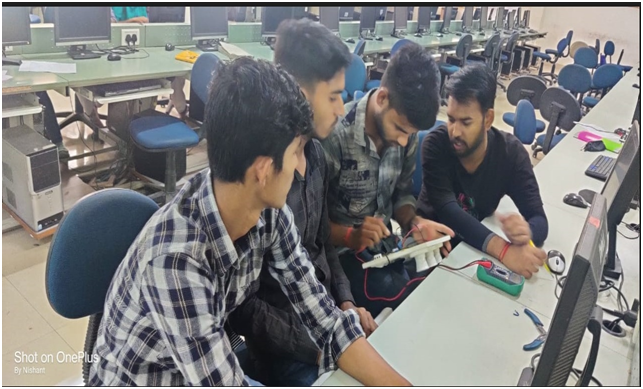
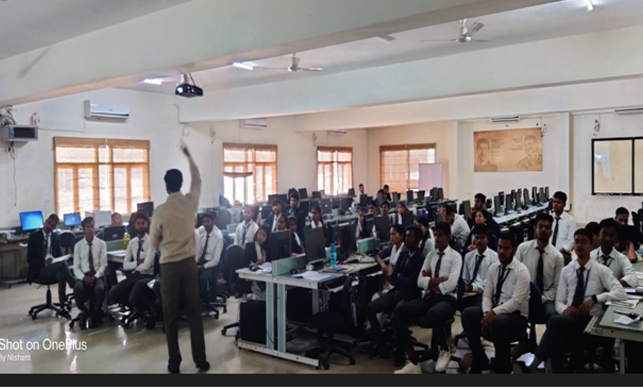
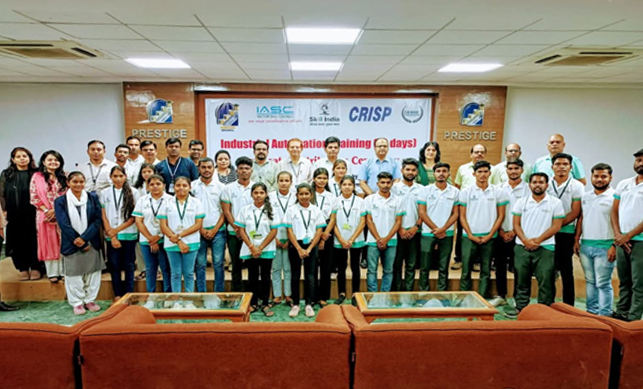
Since the institute was founded, The Department of Electronics and Communication Engineering (ECE) has been in operation since 2007. The department features a team of highly qualified faculty members with Ph.Ds. and PGs across a range of fields, focusing primarily on cultivating high-quality engineers who are dedicated to making meaningful contributions for a brighter future. The curriculum and syllabi are thoughtfully designed and updated regularly to meet the evolving societal and technological needs. Our modern facilities provide practical training with the latest engineering tools, encouraging students to refine their skills through hands-on experience. Additionally, we present a variety of opportunities for professional growth through seminars, guest lectures, short-term training programs, workshops, and conferences that are routinely organized for our students and faculty, both within and outside the institute. Furthermore, our department aims to build partnerships for research and development with leading organizations in India and internationally.
Electronics and Communication Eng
Head Of Department

Dr. Amrita Khera
Head of DepartmentAbout Department
Electronics and Communication Engineering (ECE)
Courses Offered
| 1 | M.Tech | VLSI Design | 18 |
| 2 | M.Tech | Digital Communication | 18 |
M.Tech in VLSI Design:
The M.Tech in VLSI Design is a two-year postgraduate program that seeks to provide knowledge in VLSI system design, which includes algorithms, hardware description languages, system architectures, physical designs, verification techniques, simulation and synthesis, as well as low power design techniques, among others. Recent advancements in VLSI design have allowed most systems to become more compact and reliable, enabling them to deliver data at high speeds. The emergence of VLSI designs has led to a rapid increase in the applications of integrated circuits (ICs) across various fields such as high- performance computing, controls, telecommunications, image and video processing, and consumer electronics. With ongoing advancements in technologies such as process geometries and product innovations, there is a continuous demand for the design, development, and re-engineering of ICs. As products like mobile phones are launched with new features in increasingly shorter cycles, there is a strong demand for qualified VLSI engineers to contribute to these developments. Consequently, there is significant potential and high demand for engineers in the rapidly evolving chip design industry.
M.Tech in Digital Communication:
The M.Tech in Digital Communication is a two-year postgraduate program structured to
provide an extensive exploration of current electronics and communication methodologies.
This specialized curriculum is intended to equip students with advanced knowledge and
skills necessary for the design, analysis, and application of digital communication circuits
and systems. Throughout the program, students will examine topics including digital
electronics, modern DSP, antenna theory and design, error control and coding, advanced
embedded systems, and computer architecture, empowering them to confront real-world
challenges in the telecommunications industry. Moreover, the curriculum includes a
thorough overview of fundamental modulation techniques, orthogonal frequency division
multiplexing, and channel coding methods. Practical exercises and research opportunities
are integrated to enhance students' abilities to innovate and adapt to the evolving
technologies in the field.
Vision
To impart knowledge and skill of Electronics and Communication to develop and sustain a culture of research while promoting values, innovation, entrepreneurship, ethics and professionalism to meet the needs of industry and society.
Mission
- To conduct the electronics and communication engineering program with practical exposure, creating new knowledge and skill-sets by engaging in the research- oriented approach and promoting the academic growth.
- To pursue research and develop insight knowledge of current and emerging technologies in Electronics & Communication Engineering to serve the needs of the society, industry and scientific community.
- To provide quality education and to make the students entrepreneur and employable.
- To promote creative thinking and innovations by the students and faculty.
- To impart sound technical knowledge and abilities in Electronics & Communication Engineering students to graduate as professionally competent engineers who are able to apply and implement the learned skills.
- To foster a spirit of innovation and a strong drive for success in the field of electronics and communication engineering in students.
- To equip them with solid foundation in ECE engineering so that they can pursue higher studies in the subject.
- To groom the students to acquire professional ethics, moral values and duty-driven behavior so they can become respectable Indian citizens with a global perspective.
- 1. Engineering knowledge: Apply the knowledge of mathematics, science, engineering fundamentals, and an engineering specialization to the solution of complex engineering problems.
- 2. Problem analysis: Identify, formulate, review research literature, and analyze complex engineering problems reaching substantiated conclusions using first principles of mathematics, natural sciences, and engineering sciences.
- 3. Design/development of solutions: Design solutions for complex engineering problems and design system components or processes that meet the specified needs with appropriate consideration for the public health and safety, and the cultural, societal, and environmental considerations.
- 4. Conduct investigations of complex problems: Use research-based knowledge and research methods including design of experiments, analysis and interpretation of data, and synthesis of the information to provide valid conclusions.
- 5. Modern tool usage: Create, select, and apply appropriate techniques, resources, and modern engineering and IT tools including prediction and modelling to complex engineering activities with an understanding of the limitations.
- 6. The engineer and society: Apply reasoning informed by the contextual knowledge to assess societal, health, safety, legal and cultural issues and the consequent responsibilities relevant to the professional engineering practice.
- 7. Environment and sustainability: Understand the impact of the professional engineering solutions in societal and environmental contexts, and demonstrate the knowledge of, and need for sustainable development.
- 8. Ethics: Apply ethical principles and commit to professional ethics and responsibilities and norms of the engineering practice.
- 9. Individual and team work: Function effectively as an individual, and as a member or leader in diverse teams, and in multidisciplinary settings.
- 10. Communication: Communicate effectively on complex engineering activities with the engineering community and with society at large, such as, being able to comprehend and write effective reports and design documentation, make effective presentations, and give and receive clear instructions.
- 11. Project management and finance: Demonstrate knowledge and understanding of the engineering and management principles and apply these to one’s own work, as a member and leader in a team, to manage projects and in multidisciplinary environments.
- 12. Life-long learning: Recognize the need for, and have the preparation and ability to engage in independent and life-long learning in the broadest context of technological change.
- An ability to design and analyze the concepts and applications in the field of communication/networking, signal processing, embedded systems and semiconductor technology.
- An ability to comprehend the technological advancements in the usage of modern design tools to analyze the design subsystems for a variety of applications.
- An ability to learn the courses related to Microelectronics; Signal processing, Microcomputers, Embedded and Communication Systems to develop solutions to real world problems.
- An ability to communicate in both oral and written forms, the work already done and the future plans with necessary road maps, demonstrating the practice of professional ethics and the concerns for social and environmental impact.
Admission process
At PIMR, we prepare you to launch your career by providing a supportive, creative, and professional environment from which to learn practical skills.
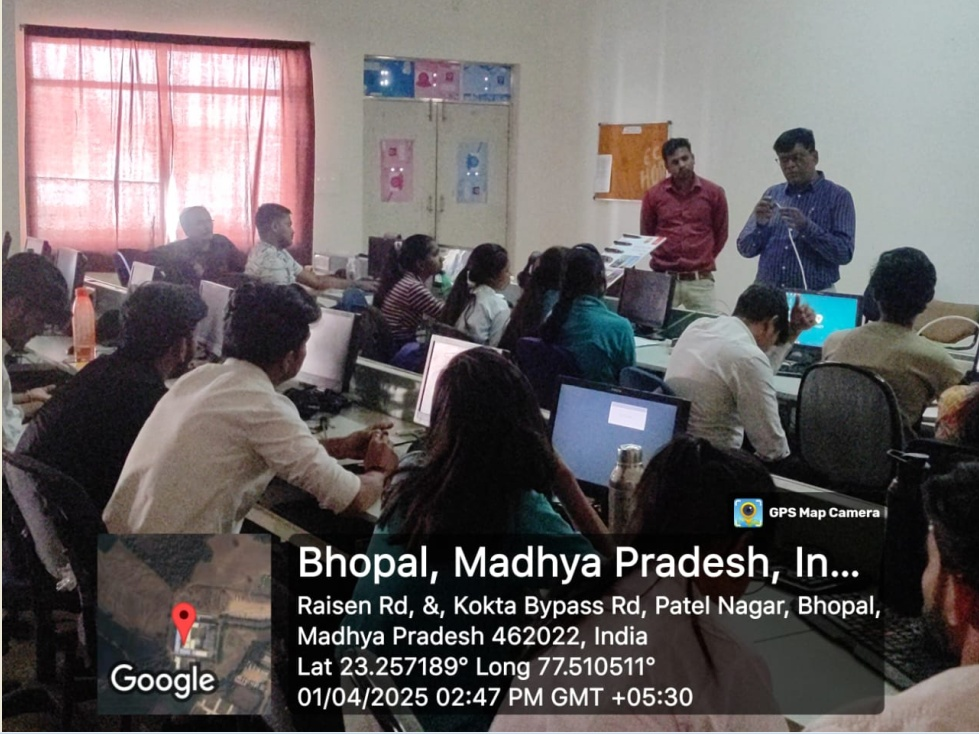
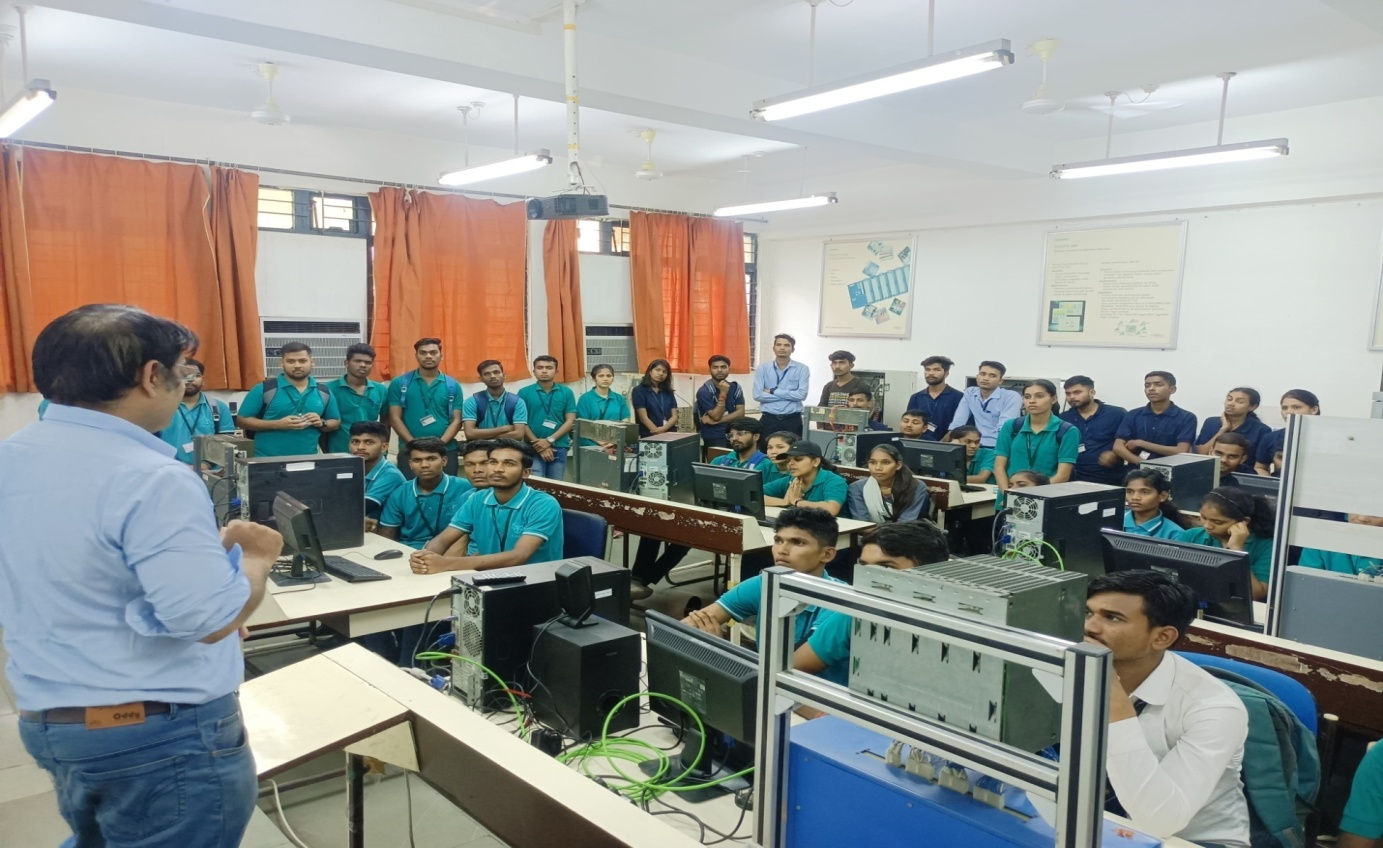
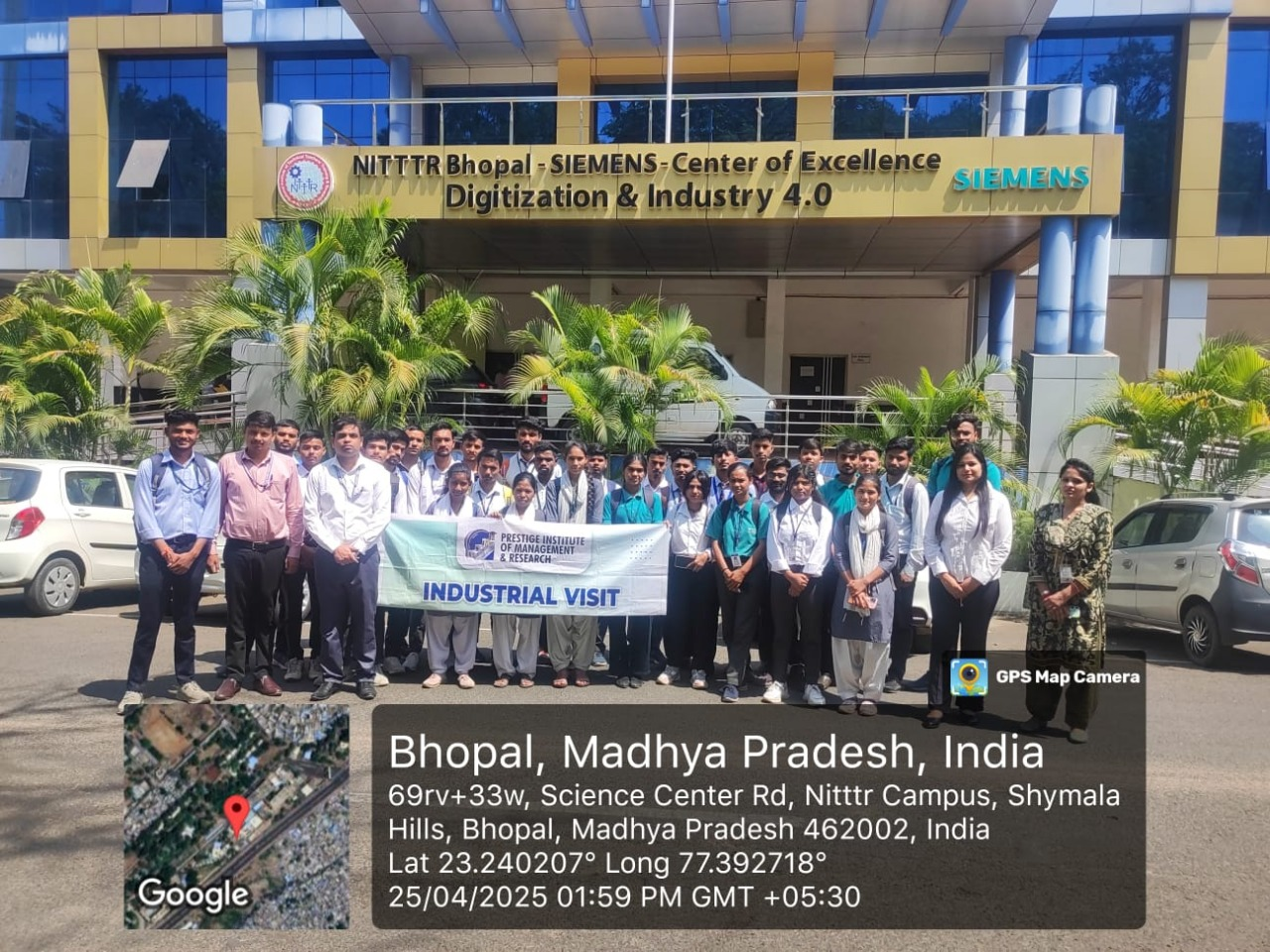
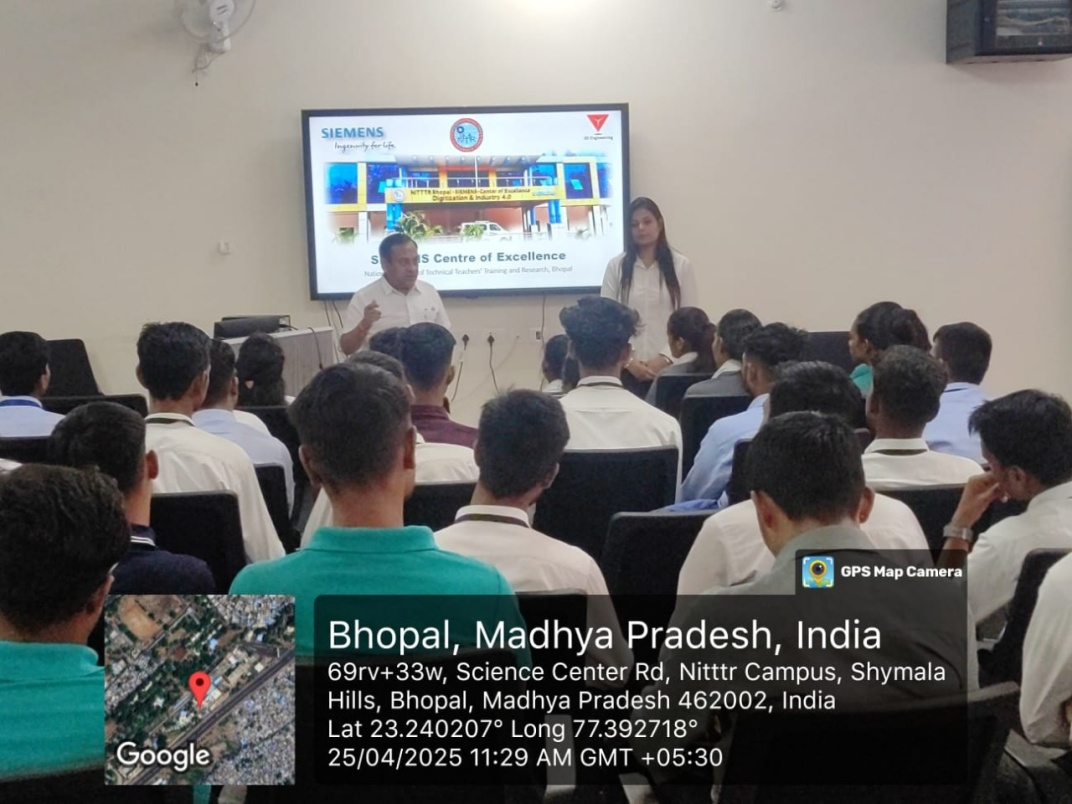
FAQ's
The VLSI program at PIMR Bhopal focuses on chip design, semiconductor technology, embedded systems, and circuit development for modern electronics and engineering careers.
Students with a background in electronics, electrical engineering, computer science, or related technical fields can apply for the VLSI program at PIMR Bhopal.
Graduates can pursue careers in semiconductor companies, embedded systems, chip design, FPGA development, testing, verification, and electronics manufacturing industries worldwide.
Yes, the VLSI course includes hands-on lab training, real-time projects, simulation tools, and practical exposure to integrated circuit design technologies.
Students can visit https://pimrbhopal.ac.in/, complete the online admission inquiry process, and contact the institute for counseling and application guidance.
The VLSI course fee may vary depending on academic sessions and admission criteria. Students should contact PIMR Bhopal directly for updated fee details.
PIMR Bhopal offers experienced faculty, industry-oriented training, modern laboratories, project-based learning, and career-focused education in VLSI technology and electronics.
Yes, PIMR Bhopal provides placement support, industry interaction, career counseling, and internship opportunities to help students build successful technology careers.
PIMR Bhopal is located in Bhopal, Madhya Pradesh. Students can visit the official website or contact the admission department for assistance.
Students learn digital design, semiconductor concepts, chip verification, circuit simulation, embedded systems, problem-solving, and industry-relevant VLSI development skills.